7 Mid-Century Modern Furniture Pieces That Will Never Go Out of Style
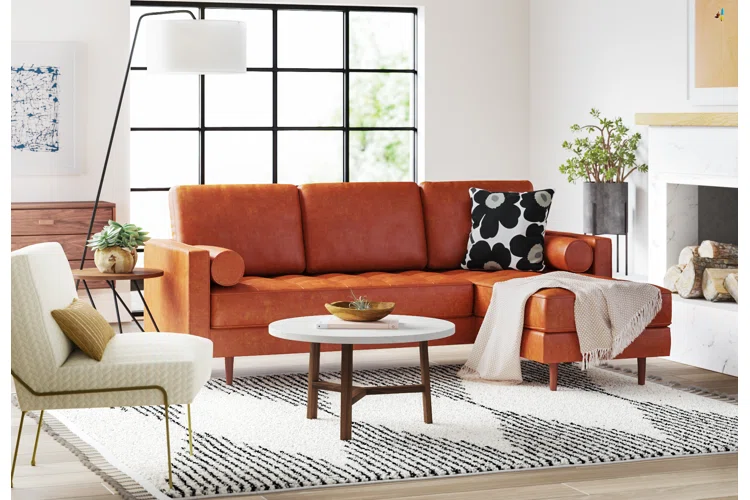
The mid-century modern design movement, which spanned roughly from the mid-1930s to the mid-1960s, completely redefined the way we look at interior spaces. It broke away from the heavy, ornate, and bulky furniture of the Victorian and traditional eras, introducing an aesthetic rooted in clean lines, organic curves, geometric shapes, and a belief that form should follow function. Decades after its peak, this design philosophy continues to dominate contemporary homes, proving that its appeal is far from a passing trend.
The enduring popularity of mid-century modern furniture lies in its incredible versatility and structural integrity. These pieces seamlessly integrate into minimalist, industrial, bohemian, and even traditional spaces. By investing in iconic mid-century designs, you are investing in functional artwork that holds its value and character over time. Here are seven mid-century modern furniture pieces that have transcended their era and will never go out of style.
1. The Eames Lounge Chair and Ottoman
Introduced in 1956 by the husband-and-wife design duo Charles and Ray Eames, this lounge chair and ottoman set is arguably the most recognizable piece of mid-century modern furniture in the world. Modeled after the warm, receptive look of a well-used first baseman’s baseball glove, the chair was designed to offer ultimate comfort without sacrificing a sleek, upscale aesthetic.
The construction of the Eames lounge chair relies on a brilliant combination of molded plywood shells and rich leather upholstery. Swivel mechanisms, cast aluminum bases, and a permanent tilt distribute body weight evenly, making it an engineering marvel as much as a visual one. Whether placed in a corner of a study, a primary bedroom, or a bright living room, this chair commands attention and serves as an anchor of sophisticated taste.
2. The Florence Knoll Sofa
Florence Knoll was a pioneer of commercial and residential interior architecture, and her 1954 lounge collection perfectly exemplifies her approach to space. Known for her “total design” philosophy, she viewed furniture as a structural element that should harmonize with the architecture of a room. The Florence Knoll sofa features a perfectly geometric silhouette, a tufted bench seat, and a clean, exposed steel frame.
Unlike the plush, overstuffed sofas that dominated earlier decades, this sofa relies on sharp angles and a minimalist profile. Its beauty lies in its understatement. Because it lacks distracting ornamentation, it acts as a blank canvas for textured throw pillows and blankets. It remains a staple in both high-end corporate lobbies and chic residential living spaces due to its ability to make any room look instantly organized and refined.
3. The Saarinen Tulip Dining Table
Eero Saarinen noticed that the underside of typical dining tables and chairs created an ugly, confusing world of legs. To solve this visual clutter, he spent five years developing the Pedestal Collection, culminating in the release of the Tulip Table in 1957. By replacing the traditional four legs with a single, elegant sweeping base molded from cast aluminum, Saarinen cleared up floor space and created a silhouette that looks like a drop of liquid.
The Tulip table top is usually crafted from rich marble, warm wood veneer, or smooth acrylic, making it highly customizable. Its circular or oval shape encourages natural conversation, as no one is relegated to a distant corner. Decades later, this table remains the gold standard for modern dining rooms, functioning beautifully in tight breakfast nooks and grand dining areas alike.
4. The Nelson Marshmallow Sofa
Designed by George Nelson and Irving Harper in 1956, the Marshmallow sofa is a whimsical, avant-garde masterpiece that challenged the very definition of what a sofa could be. It consists of a series of eighteen separate round cushions, or “pods,” floating on a minimalist steel frame. Originally conceived as a way to create low-cost cushions using self-skinning foam, the design evolved into a high-end luxury item when that manufacturing technology proved unviable at the time.
The genius of the Marshmallow sofa is its playful, artistic nature. It transforms a utilitarian piece of living room seating into a literal three-dimensional sculpture. While it may not be the sofa you sink into for a weekend movie marathon, it serves as a spectacular accent piece in entryways, home galleries, and formal sitting rooms, bringing joy and a pop of color wherever it rests.
5. The Platner Armchair
Warren Platner introduced his collection of wire furniture in 1966, capturing a unique intersection of the industrial and the elegant. To create the iconic Platner armchair, hundreds of curved, nickel-plated or bronze-plated steel rods are welded to circular frames, creating a shimmering, moire effect. The chair is finished with a molded fiberglass shell cushion for comfort.
Platner’s work brought a sense of expressive, decorative grace to the mid-century modern movement, which was often criticized for being too sterile. The vertical wire structure allows light to pass directly through the chair, making the piece feel weightless and airy. It is an exceptional choice for smaller rooms where solid furniture might make the environment feel cramped or dark.
6. The Noguchi Coffee Table
Sculptor Isamu Noguchi famously stated that everything is sculpture, and his 1947 coffee table is the ultimate realization of that belief. The table is remarkably simple, composed of only three elements: a heavy sheet of plate glass with rounded edges, and two identical, interlocking wooden legs placed at a right angle to one another.
The balance achieved between the heavy glass top and the smooth, organic wooden base creates an ethereal quality. Because the base is visible from every angle through the transparent top, the table looks different depending on where you stand in the room. It successfully bridges the gap between fine art and everyday utility, making it one of the most imitated and beloved coffee tables in history.
7. The Womb Chair
Another brilliant creation by Eero Saarinen, released in 1948, the Womb chair was born from a specific request by architect Florence Knoll, who asked for a chair that was like a basket full of pillows that she could curl up in. Saarinen responded by using a molded fiberglass shell wrapped in foam and fabric, creating a deeply recessed, protective seating pocket.
The Womb chair supports multiple sitting positions, allowing you to sit upright, lounge sideways, or tuck your legs up inside the shell. It rejected the rigid formality of historical seating, acknowledging that human beings like to move and adjust when relaxing. Accompanied by its matching ottoman, the Womb chair remains an essential piece for reading corners and cozy living room setups.
Frequently Asked Questions
Why is mid-century modern furniture so expensive compared to modern replicas?
Original vintage pieces and authorized re-editions are expensive because of the premium materials and artisanal construction methods used to make them. Designers like Eames and Saarinen utilized molded plywood, solid walnut, cast aluminum, and high-grade leathers, which require specialized manufacturing processes. These pieces were built to last for generations, whereas many cheap replicas use particle board, plastic veneers, and low-quality foam that degrade quickly.
How can I spot an authentic vintage mid-century modern piece from a reproduction?
Authentic pieces usually feature manufacturer stamps, labels, or medals underneath the frames or cushions from companies like Herman Miller, Knoll, or Danish Control. Look at the craftsmanship; authentic pieces will have seamless welds, high-quality wood grain matching, and heavy, sturdy hardware. If a piece feels surprisingly lightweight or utilizes Phillips-head screws on an item allegedly from the 1950s, it is likely a modern reproduction.
What wood types are most common in mid-century modern design?
Teak and walnut are the dominant woods used in mid-century modern furniture due to their rich tones, durability, and beautiful grain patterns. Danish designers heavily favored oiled teak for its warm, golden-brown hue and moisture resistance. American designers frequently utilized walnut, rosewood, and oak, often finishing them with clear lacquers to highlight the natural characteristics of the wood rather than masking it with heavy stains.
Can you mix mid-century modern furniture with other design styles?
Absolutely, and doing so is often recommended to prevent your home from looking like a period-accurate museum set. Mid-century modern pieces mix incredibly well with industrial design, bohemian textiles, and contemporary minimalist spaces because of their clean lines. Pairing a geometric mid-century sideboard with a plush, traditional rug or a rustic wooden dining table creates a curated, collected-over-time look.
How do I properly care for and maintain vintage mid-century wood furniture?
Avoid using harsh chemical sprays or silicone-based polishes, which can leave a sticky residue and ruin the original finish. For oiled woods like teak, apply a high-quality teak oil once or twice a year with a soft cloth, rubbing in the direction of the grain. Keep the furniture away from direct, prolonged sunlight and heating vents, as extreme temperature and humidity fluctuations can cause vintage wood to warp or crack.
Are mid-century modern dining chairs comfortable for long periods?
Many mid-century dining chairs, such as the molded plastic or fiberglass designs by Charles and Ray Eames or the upholstered executive chairs by Eero Saarinen, were engineered specifically with human ergonomics in mind. The curves of the shells are designed to flex slightly and mimic the natural contour of the human spine, making them surprisingly comfortable for long dinner parties, even without thick upholstery.
Why did the mid-century modern movement decline in the late 1960s?
The movement naturally gave way to changing cultural tastes and technological shifts. By the late 1960s and early 1970s, the design world shifted toward postmodernism, pop art, and more radical, experimental shapes using bright plastics and neon colors. Additionally, mass production grew more commercialized, and the meticulous, high-quality craft methods required for early mid-century designs became too costly for the mainstream market to sustain.