
How Flexible Leasing Models Are Redefining Warehouse for Rent Options
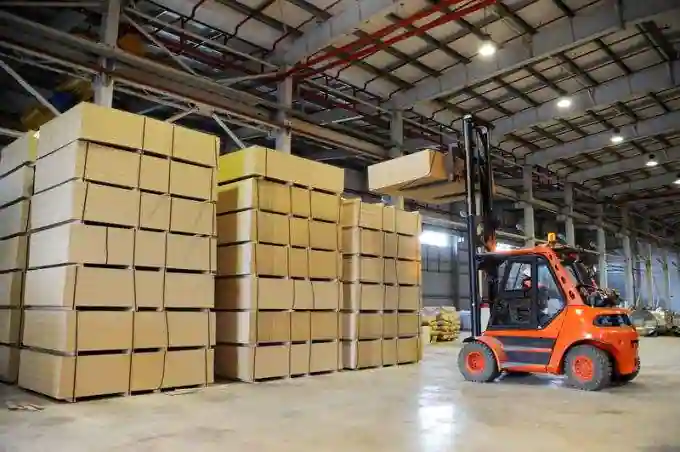
The demand for storage and logistics facilities is evolving rapidly, and businesses are now looking for solutions that match their changing needs. Traditional long-term leasing often limits operational flexibility, but modern trends are shifting toward more adaptable agreements. Flexible leasing models are emerging as a game-changer, offering businesses the freedom to scale, manage costs, and utilize space more efficiently.
Meeting Diverse Business Needs
When companies look for warehouse space for rent, their requirements are rarely one-size-fits-all. Some may need short-term storage for seasonal inventory, while others may require long-term facilities for continuous operations. Flexible leasing arrangements provide the ability to rent space for varying durations without the burden of lengthy commitments. This approach is particularly useful for businesses in e-commerce, manufacturing, and distribution, where market demands can fluctuate throughout the year.
Advantages of Flexible Leasing Models
Shorter Lease Commitments
Flexible leasing allows businesses to avoid the financial strain of long-term agreements. This is especially helpful for startups or small enterprises testing new markets, as they can secure warehouse space for rent only for the period they need it.
Scalability for Growth
Companies no longer need to worry about outgrowing their space. With adjustable leasing, businesses can start with smaller units and expand to larger ones as their operations grow, without having to move to a completely different facility.
Cost-Effective Solutions
By paying only for the space and time required, businesses can better manage their budgets. This reduces overhead costs and allows companies to reinvest savings into other areas like technology, logistics, and workforce development.
Supporting Operational Efficiency
Flexible leasing not only addresses financial concerns but also enhances operational efficiency. Businesses can adjust their storage requirements based on seasonal peaks, special projects, or unforeseen demands. This eliminates the risk of underutilized or overcrowded storage areas, ensuring optimal use of resources.
Moreover, many modern warehouse facilities designed for flexible leasing come with advanced infrastructure such as climate control, high-security systems, and easy accessibility for transportation. These features ensure that businesses can operate smoothly without having to invest heavily in facility upgrades.
Creating Opportunities for Various Industries
Flexible leasing is not just for large-scale companies. It is equally beneficial for small and medium enterprises that need a professional storage environment without the pressure of long-term commitments. Whether it is a growing e-commerce business handling sudden sales surges or a manufacturer dealing with bulk orders, adaptable warehouse space for rent can cater to diverse operational needs.
Conclusion
The shift toward flexible leasing models is transforming how businesses approach warehouse rentals. By offering scalable, cost-effective, and adaptable solutions, these models empower companies to stay competitive and meet fluctuating market demands with ease. For businesses exploring warehouse space for rent, this approach ensures freedom from rigid contracts while providing access to facilities that support growth and efficiency.


